

Metal Weight Calculator: Precision Tools for Professionals
As an experienced metallurgical engineer with over 15 years in material science and fabrication, I’ve developed these metal weight calculators to solve real-world challenges faced by professionals across industries. Accurate weight calculations are critical for structural integrity, cost estimation, transportation planning, and compliance with safety standards.
Practical Applications of Metal Weight Calculations
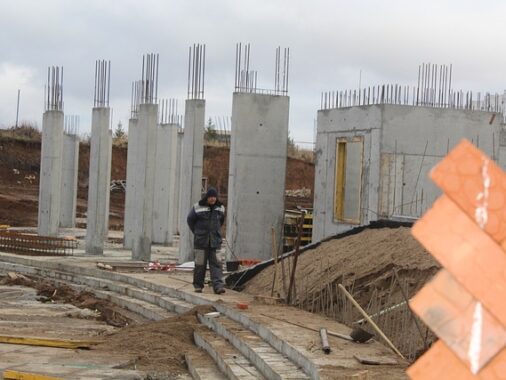
Construction & Structural Engineering
Precisely calculate beam loads, foundation requirements, and material quantities for bidding and procurement.
Manufacturing & Fabrication
Determine raw material needs, production costs, and machine capacity requirements with accuracy.
Logistics & Transportation
Calculate shipping weights, optimize container loading, and ensure compliance with weight restrictions.
Cost Estimation & Budgeting
Generate accurate project quotes by calculating material costs based on current metal market prices.
Hollow Cylinder Weight Calculator
This specialized calculator determines the weight of pipes, tubes, and cylindrical components with precision. Essential for piping systems, structural columns, and mechanical applications.
Results:
Common Steel Shapes in Construction
Understanding different steel profiles helps in selecting the right materials for your projects. Each shape offers unique structural advantages and weight distribution characteristics.
Comprehensive Metal Density Reference Table
Based on ASTM International standards and my practical experience with material testing, here are the standard density values for common metals used in industrial applications:
| Metal Type | Density (kg/m³) | Common Applications | Notes |
|---|---|---|---|
| Aluminum | 2,700 | Aerospace, automotive, construction | Lightweight with excellent corrosion resistance |
| Copper | 8,960 | Electrical wiring, plumbing, heat exchangers | High conductivity and antimicrobial properties |
| Iron | 7,874 | Structural components, machinery | Base material for steel production |
| Stainless Steel | 7,500-8,000 | Food processing, medical, marine | Varies by alloy composition |
| Titanium | 4,500 | Aerospace, medical implants, chemical | Exceptional strength-to-weight ratio |
| Brass | 8,400-8,700 | Musical instruments, decorative, plumbing | Copper-zinc alloy with good machinability |
| Bronze | 8,800 | Bearings, bushings, marine hardware | Copper-tin alloy with excellent wear resistance |
| Lead | 11,340 | Radiation shielding, batteries | High density with low melting point |
| Zinc | 7,135 | Galvanizing, die casting, batteries | Excellent corrosion protection for steel |
| Magnesium | 1,740 | Aerospace, automotive, electronics | Lightest structural metal available |
Professional Calculation Methods & Best Practices
Volume Calculation Formulas
Different geometric shapes require specific formulas for accurate volume determination:
- Hollow Cylinder: π × (R² – r²) × Length (where R is outer radius, r is inner radius)
- Rectangular Bar: Width × Height × Length
- Round Bar: π × (Diameter/2)² × Length
- Hexagonal Bar: (3 × √3 × Side² / 2) × Length
- I-Beam: Calculate flanges and web separately then sum
Industry Standards & Tolerances
Professional weight calculations should account for manufacturing tolerances:
- ASTM A6/A6M: Standard specification for general requirements for rolled structural steel bars, plates, shapes, and sheet piling
- ±2-5% tolerance on theoretical weight for most structural shapes
- Consider mill scale and surface conditions in practical applications
- Account for cutting waste (typically 3-7%) in project estimations
Practical Considerations
From my field experience, these factors significantly impact real-world calculations:
- Temperature effects on dimensional stability
- Corrosion allowance in marine environments
- Fabrication losses from cutting and welding
- Variations in alloy composition affecting density
- Surface treatments (galvanizing, painting) adding 2-5% to weight
Expert Tips for Accurate Metal Weight Calculations
Measurement Precision
Always measure dimensions at multiple points, especially for large components. Thermal expansion can cause significant variations – measure at consistent temperatures when possible.
Material Verification
Don’t assume material specifications – verify certifications when available. Different batches of the same alloy can have density variations up to 2%.
Software Validation
Cross-verify calculator results with manual calculations for critical applications. Maintain a log of calculated vs. actual weights to improve estimation accuracy over time.
Safety Factors
Include appropriate safety margins based on application criticality. For lifting and rigging operations, add 10-25% safety factor to calculated weights.
Putting Theory into Practice
Throughout my career, I’ve seen how accurate weight calculations prevent costly errors in projects ranging from small fabrications to multi-story structures. The calculators and reference materials provided here incorporate industry standards and practical knowledge gained from hundreds of successful projects.
Ready to streamline your metal weight calculations? Bookmark this page for quick access to these professional tools. For complex projects or custom alloys, consider consulting with a materials engineer to ensure absolute precision in your calculations.