
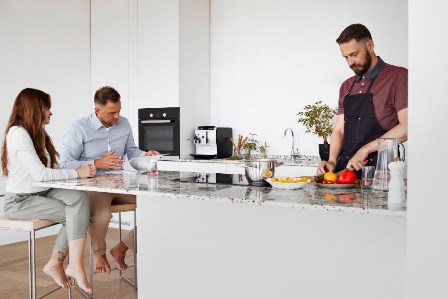

A well-designed kitchen is more than a place to cook—it’s the heart of the home. It’s where families gather, meals are shared, and everyday life unfolds. Professional kitchen designers understand that a successful kitchen must balance practical functionality with timeless style, while also reflecting the homeowner’s lifestyle. This article explores how experienced designers transform ordinary kitchens into spaces that are efficient, beautiful, and built to last.
Understanding the Role of a Kitchen Designer
Kitchen designers do far more than select cabinets and benchtops. Their role combines technical planning, ergonomic design, aesthetic expertise, and real-world problem-solving.
An experienced designer:
- Assesses how the kitchen will be used daily
- Plans layouts that improve movement and workflow
- Selects materials suitable for Australian conditions
- Balances trends with long-term usability
- Coordinates with builders, plumbers, and electricians
This hands-on experience is what separates professional design from generic online layouts.
Step One: Analysing Lifestyle and Space
How Designers Assess Your Needs
Before any sketches begin, designers spend time understanding how you live. This ensures the final kitchen supports real habits—not just looks good in photos.
Key questions include:
- Do you cook daily or occasionally?
- How many people use the kitchen at once?
- Do you entertain often?
- Is storage or bench space a priority?
- Are children or ageing family members using the space?
This personalised assessment is crucial for creating a kitchen that works effortlessly every day.
The Importance of Layout Planning
The Kitchen Work Triangle Explained
One of the core principles designers use is the work triangle, which connects:
- The fridge
- The cooktop
- The sink
A well-planned triangle reduces unnecessary steps and makes cooking more efficient.
Common Layout Types Designers Use
| Layout Type | Best For |
| L-shaped | Open-plan homes |
| U-shaped | Maximum storage |
| Galley | Narrow spaces |
| Island kitchen | Entertaining & family homes |
Designers adjust these layouts to suit Australian homes, block sizes, and open-plan living trends.
Creating Functional Storage Solutions
Smart Storage That Reduces Clutter
Storage is one of the most overlooked elements in kitchen planning. Experienced designers prioritise accessible, organised storage over excessive cabinetry.
Popular storage solutions include:
- Deep drawers instead of lower cupboards
- Pull-out pantries
- Corner carousel systems
- Built-in bins for waste separation
- Appliance garages to hide clutter
These features ensure everything has a place, making the kitchen easier to maintain.
Blending Style with Practicality
Choosing Materials That Last
Designers select materials based on durability, maintenance, and aesthetics—especially important in Australia’s climate.
Common material choices:
- Engineered stone or porcelain benchtops for heat resistance
- Moisture-resistant cabinetry boards
- Matte finishes to reduce fingerprints
- Splashbacks that are easy to clean
Style is never chosen at the expense of longevity.
Lighting: A Key Design Element
Lighting plays a vital role in both function and atmosphere.
Designers layer lighting using:
- Task lighting for food prep
- Ambient lighting for general illumination
- Accent lighting to highlight features
Well-planned lighting improves safety, visibility, and the overall mood of the space.
Pros and Cons of Hiring a Kitchen Designer
Benefits
- Professional planning avoids costly mistakes
- Better use of available space
- Access to trade-only suppliers
- Long-term value added to the home
- Designs tailored to Australian standards
Considerations
- Higher upfront cost
- Requires collaboration and decision-making
- Design process takes time
However, most homeowners find the investment worthwhile due to the quality and durability of the outcome.
How Designers Keep Kitchens Stylish Over Time
Experienced designers avoid overly trendy choices that date quickly. Instead, they:
- Use neutral base colours
- Add personality through accessories
- Focus on proportion and balance
- Design flexible layouts that adapt over time
This approach ensures the kitchen remains stylish for years, not just months.
Why Local Knowledge Matters
Designers with regional experience understand council regulations, local suppliers, and construction practices. For example, working with kitchen designers perth homeowners often benefit from knowledge of local building styles, climate considerations, and supplier availability—leading to smoother project delivery.
Kitchen Design Checklist
Before finalising a design, professionals review:
- ✔ Workflow efficiency
- ✔ Adequate storage
- ✔ Safe clearances
- ✔ Ventilation and lighting
- ✔ Material durability
- ✔ Future adaptability
This detailed process ensures no aspect is overlooked.
Frequently Asked Questions
The design phase typically takes 2–4 weeks, depending on complexity and decision-making speed.
Yes. Experienced designers prioritise spending where it matters most and suggest alternatives to manage costs.
Custom kitchens offer better fit, durability, and design flexibility, though flat-pack may suit smaller budgets.
Many designers coordinate with builders and trades, reducing stress for homeowners.
A functional, stylish kitchen often adds significant resale appeal and long-term value.
Final Thoughts: Investing in Expert Kitchen Design
A thoughtfully designed kitchen improves daily life, supports healthy routines, and enhances the value of your home. Professional kitchen designers bring experience, technical knowledge, and creative vision together to create spaces that truly work.
If you’re planning a kitchen renovation, partnering with an experienced designer ensures your space is not only beautiful but practical, durable, and tailored to how you live. A well-designed kitchen isn’t a luxury—it’s a smart, lasting investment in your home.