
As a civil engineer with over 15 years of experience in terrain analysis and construction planning, I’ve seen firsthand how critical accurate elevation grade calculations are for successful projects. Whether you’re planning a driveway, designing a drainage system, or building a wheelchair ramp, understanding elevation grade is fundamental to safety, functionality, and compliance with building codes.
What is Elevation Grade and Why Does It Matter?
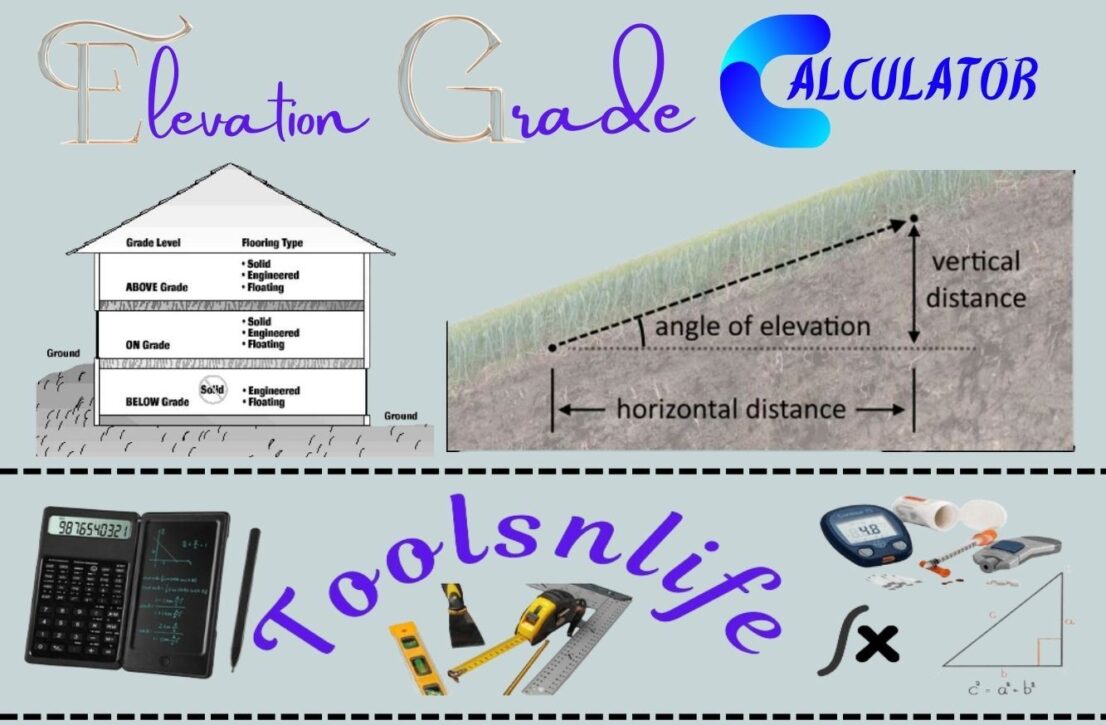
Elevation grade, often simply called “grade,” represents the steepness or incline of a surface. It’s expressed as a ratio of vertical rise to horizontal run, typically converted to a percentage for practical applications. This measurement is crucial across numerous industries:
- Construction: Ensuring proper drainage, structural stability, and accessibility
- Transportation: Designing safe roadways, railways, and pathways
- Landscaping: Creating functional outdoor spaces with proper water flow
- Agriculture: Planning irrigation systems and preventing soil erosion
- Accessibility: Meeting ADA requirements for ramps and walkways
Practical Applications: Real-World Examples
Understanding elevation grade isn’t just about numbers—it’s about practical applications that affect daily life and safety. Here are some common scenarios where precise grade calculations are essential:
Driveway Construction
A typical residential driveway should have a grade between 2-5%. Too steep (over 15%) creates safety hazards in icy conditions, while too flat (under 1%) prevents proper water drainage, leading to pooling and potential damage.
ADA-Compliant Ramps
The Americans with Disabilities Act specifies that wheelchair ramps must not exceed a 8.33% grade (1:12 ratio). Our calculator helps ensure compliance with these critical accessibility standards.
Road Design
Highway engineers typically limit grades to 5-6% for major roads to maintain vehicle safety and fuel efficiency. Steeper grades require special considerations like runaway truck ramps.
Beyond the Basics: Advanced Grade Considerations
While our calculator provides immediate grade calculations, experienced professionals know that several additional factors influence real-world applications:
- Soil composition: Different soil types have varying maximum stable slopes
- Drainage requirements: Minimum grades needed for effective water flow
- Local regulations: Municipal codes often specify maximum allowable grades
- Material limitations: Some paving materials have maximum grade restrictions
Professional Tips for Accurate Measurements
Based on my field experience, here are practical tips for obtaining precise measurements:
- Always measure from consistent reference points
- Account for ground settlement in new construction
- Consider seasonal variations in soil moisture
- Use professional surveying equipment for critical projects
- Verify calculations with multiple measurement methods
Common Mistakes to Avoid
Even experienced professionals can make errors in grade calculations. Watch out for these common pitfalls:
- Mixing measurement units without proper conversion
- Ignoring the difference between slope angle and grade percentage
- Failing to account for cumulative error in long measurements
- Overlooking local building code requirements
When to Consult a Professional
While our elevation grade calculator is excellent for preliminary calculations and educational purposes, complex projects require professional assessment. Consider consulting a licensed civil engineer or surveyor for:
- Structural foundations and retaining walls
- Commercial building sites
- Projects involving significant earthmoving
- Situations with legal or regulatory implications
Conclusion: Master Your Terrain with Confidence
Understanding elevation grade is more than a mathematical exercise—it’s a fundamental skill for anyone working with terrain, from DIY homeowners to professional contractors. Our comprehensive elevation grade calculator provides instant, accurate calculations while the detailed explanations help you understand the underlying principles.