
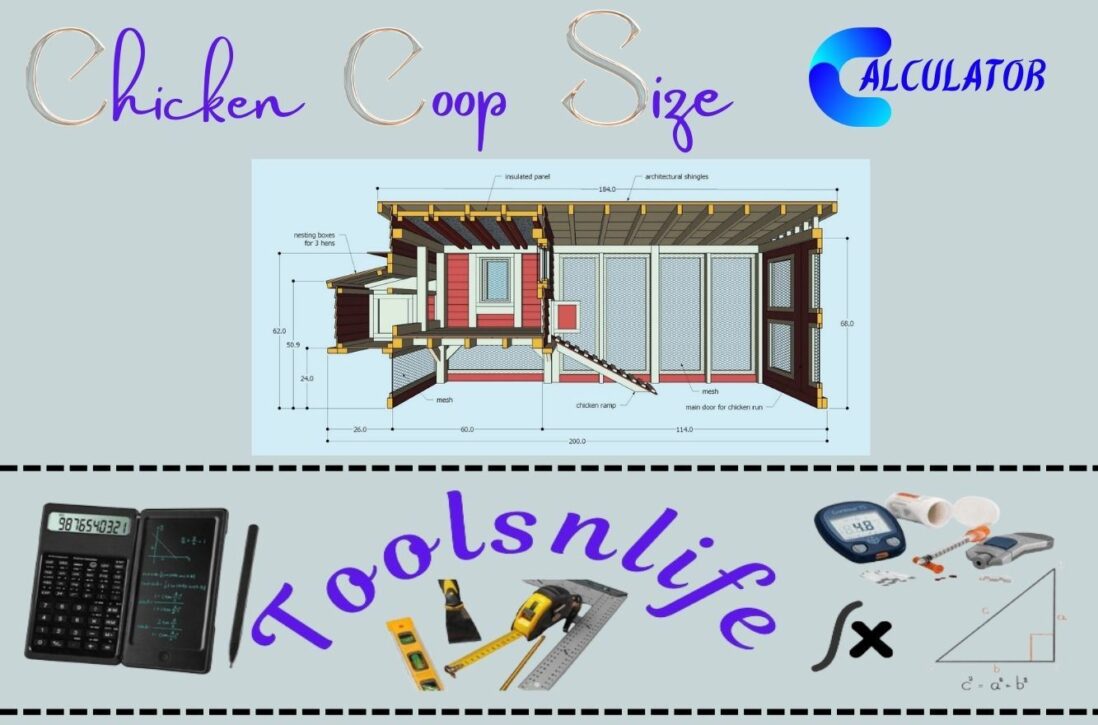

Chicken Coop Size Calculator
Welcome to our comprehensive chicken coop sizing guide! As experienced poultry experts with over 15 years of chicken-keeping experience, we’ve designed this calculator to help you create the perfect home for your flock. Proper coop sizing is crucial for your chickens’ health, egg production, and overall wellbeing.
Calculate Your Ideal Coop Size
During the day, where are your chickens mostly?
Why Coop Size Matters: Expert Advice
Based on our experience raising chickens in various climates and settings, we’ve learned that adequate space is the single most important factor in preventing common chicken health issues. Overcrowding leads to:
- Increased aggression and feather pecking
- Higher disease transmission rates
- Reduced egg production
- Elevated stress levels
- Poor ventilation and ammonia buildup
Our calculator uses industry-standard space requirements established by poultry scientists and agricultural extensions:
- Standard chickens: 4 square feet per bird in the coop
- Bantam breeds: 2 square feet per bird in the coop
- Run space: Additional 8-10 square feet per standard chicken
These recommendations align with guidelines from the University of California Agricultural and Natural Resources and other reputable poultry science sources.
While our calculator provides an excellent starting point, several factors might require adjustments:
- Climate: Chickens in colder climates may need more indoor space during winter months
- Breed temperament: Some breeds are more active or aggressive and require additional space
- Coop design: Vertical space and roosting arrangements can affect usable area
- Time confined: Flocks with limited outdoor access need more indoor space
- Future expansion: It’s always wise to plan for additional birds
Beyond Square Footage: Other Important Coop Features
While size is crucial, other design elements significantly impact your chickens’ quality of life:
Ventilation
Proper ventilation is essential to prevent respiratory issues. We recommend ventilation openings equal to at least 20% of the floor space, positioned above chicken height to prevent drafts.
Roosting Space
Provide 8-12 inches of roosting space per chicken, with roosts positioned higher than nesting boxes to encourage natural sleeping habits.
Nesting Boxes
Plan for one nesting box per 4-5 hens, each measuring about 12x12x12 inches. Position them in a dark, quiet area of the coop.
Run Space
If your chickens will have access to an outdoor run, allow at least 8-10 square feet per standard chicken. More space is always better for their physical and mental health.
Seasonal Considerations for Coop Planning
Your coop needs may change with the seasons. Here’s what we’ve learned from years of experience:
Winter Preparations
In colder climates, chickens spend more time indoors. While our calculator accounts for this, you might want to add a buffer of 10-20% more space if you experience harsh winters. Proper insulation and ventilation become critical during this season.
Summer Considerations
During hot weather, adequate ventilation and shade are paramount. Chickens need space to avoid crowding and overheating. Southern coops might benefit from additional height to allow heat to rise away from the birds.
Ready to Build or Buy Your Coop?
Now that you’ve calculated your ideal coop size, you’re ready to take the next step in your chicken-keeping journey! Remember that these calculations represent minimum requirements – when possible, providing extra space always benefits your flock’s health and happiness.
If you’re building a custom coop, consider adding features like:
- Easy-clean surfaces and removable trays
- Predator-proof locking mechanisms
- Access doors for egg collection and cleaning
- Windows with hardware cloth for ventilation and light